


Your First Year Together: The Estate Planning Conversations Most Couples Don’t Realize They Need
You’re Building a Life Together—Make Sure You’re Protecting It, Too
The first year of building a life together is exciting.
You’re creating new routines. Combining households. Planning future vacations. Talking about career goals. Maybe you’re saving for your first home or imagining what your family will look like in the years ahead.
It’s a season filled with possibility.
It’s also a season when one important conversation is often postponed.
“We’ll take care of that later.”
Most couples don’t put off estate planning because they don’t care about each other. They put it off because life is busy, everything feels like it’s moving in the right direction, and it’s difficult to imagine needing legal documents anytime soon.
The law doesn’t recognize intentions. It recognizes legal documents.
Quick Answer: Do Unmarried Partners Automatically Inherit Property?
In most situations, no.
If you and your partner are not legally married, your partner generally does not automatically inherit your property if you die without an estate plan.
Even if you’ve lived together for years, shared finances, purchased a home together, or built a life side by side, state law typically gives inheritance rights to legal family members—not unmarried partners.
Even married couples should not assume every asset automatically transfers to a spouse. Retirement accounts, life insurance policies, payable-on-death accounts, and other financial assets often pass according to beneficiary designations rather than your will.
Estate planning is not simply about creating legal documents. It is about making sure your legal plan reflects the life you are building together.

Why This Catches So Many Couples Off Guard
One of the biggest misconceptions I see is not that couples ignore estate planning.
It is that they assume legal protections naturally grow alongside the relationship.
That assumption makes perfect sense.
When you share a home, share expenses, build routines, and create plans for the future, it feels like you’ve become one family in every sense of the word.
Emotionally, you have.
Legally, however, things work differently.
The law looks at property ownership, beneficiary designations, wills, trusts, powers of attorney, and healthcare directives. It does not rely on shared grocery bills, years together, or verbal promises.

Do Unmarried Partners Automatically Inherit Property?
This is one of the most common estate planning questions people ask.
It is also one of the answers that surprises them the most.
In most states, unmarried partners do not automatically inherit property. Without a valid estate plan, state law generally determines who receives your assets.
Typically, that includes a spouse, children, parents, siblings, or other legal heirs. An unmarried partner usually is not on that list.
For many couples, this feels surprising because it does not match how they have built their lives.
Marriage provides additional protections, but even married couples should not assume every account or asset automatically transfers to a spouse.
For Texas families who are starting or updating their plan, our Estate Planning page explains how thoughtful planning can protect the people and priorities that matter most.
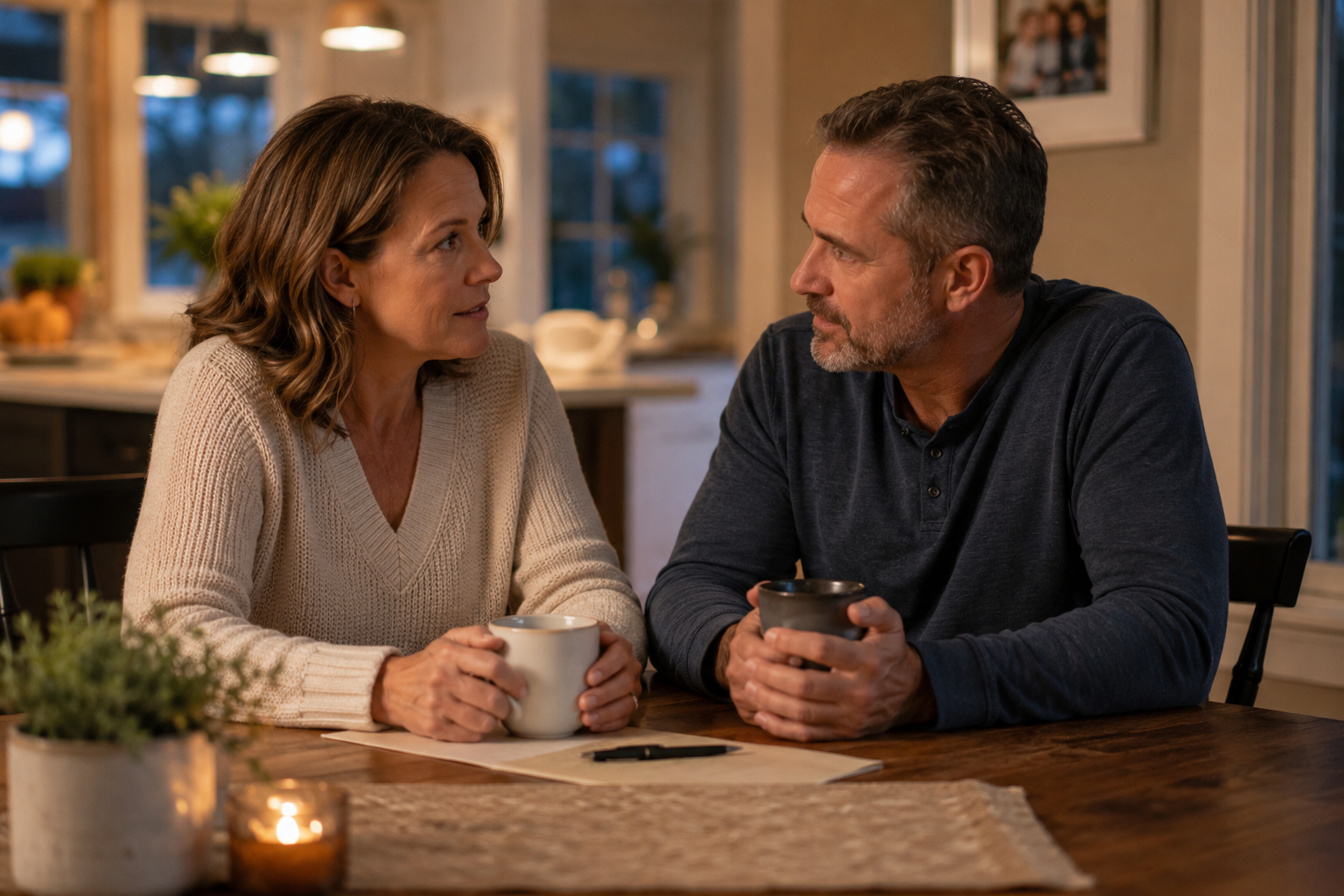
Four Estate Planning Mistakes We Commonly See New Couples Make
1. Assuming Commitment Creates Legal Protection
Living together does not automatically establish inheritance rights. Sharing expenses does not determine ownership. Talking about your wishes does not make them legally enforceable.
Love defines your relationship. Estate planning protects it.
2. Forgetting to Update Beneficiary Designations
Retirement accounts, life insurance, 401(k)s, IRAs, and payable-on-death accounts often pass to the person listed on the beneficiary form—not necessarily the person named in your will.

Why Beneficiary Designations Deserve Special Attention
One of the simplest—and most overlooked—parts of estate planning is reviewing beneficiary designations.
These forms may control retirement accounts, life insurance policies, IRAs, 401(k)s, and payable-on-death accounts.
The IRS explains that a beneficiary is generally the person or entity an account owner chooses to receive benefits from a retirement account or IRA after death, and the designation must follow the plan’s procedures.
IRS retirement beneficiary guidance
For couples building a life together, reviewing these designations can prevent confusion and help ensure important assets pass according to current wishes.

Letting One Partner Handle Everything Can Create Risk
Every relationship divides responsibilities differently.
That is perfectly normal.
But both partners should understand the family’s financial picture.
If something unexpected happened tomorrow, would your partner know where important documents are stored, how to access financial accounts, who your insurance providers are, or how to reach your attorney?
Estate planning is not only about legal documents.
It is about making sure the person you love never has to face unnecessary uncertainty alone.
The Consumer Financial Protection Bureau provides resources for people who may need to manage money or financial responsibilities for someone else, which shows how important preparation can be before a crisis occurs.

Trusting Verbal Promises Is Not the Same as Legal Protection
One of the sweetest conversations couples have often sounds something like this:
“If anything ever happens to me, I want everything to go to you.”
Those words matter.
They are built on love.
They are built on trust.
But without legal documents, they may not be legally enforceable.
A will does not replace those promises.
It protects them.
Our Wills & Trusts page explains how written planning documents can create clearer guidance for the people you love.

What Peace of Mind Really Looks Like
People often think estate planning is about preparing for death.
I have always viewed it differently.
I believe it is about caring for the people who matter most while you are here.
A thoughtful estate plan creates something every family wants: clarity.
Your partner understands your wishes. Important decisions have already been made. Your family is not left wondering what you wanted.
Instead of confusion, there is guidance.
Instead of uncertainty, there is confidence.
Instead of difficult decisions, there is a clear path forward.
A Simple Estate Planning Checklist for Couples
Ask yourselves:
- Do we each have an up-to-date will?
- Have we reviewed every beneficiary designation?
- Do we understand how our home and financial accounts are titled?
- Have we created powers of attorney and healthcare directives?
- Would either of us know what to do if something unexpected happened tomorrow?
- Does our estate plan reflect the relationship we have today—not the one we had years ago?
If you answered “not yet” to any of these questions, do not think of that as falling behind.
Think of it as the next step in protecting the future you are building together.
Frequently Asked Questions
Do unmarried partners automatically inherit property?
No. In most states, unmarried partners generally do not inherit under state intestacy laws unless they are specifically included in an estate plan.
Does marriage automatically update beneficiary designations?
No. Beneficiary forms typically must be updated directly with each financial institution.
Can a will override a beneficiary designation?
Generally, no. Beneficiary designations usually control retirement accounts, life insurance policies, and similar financial assets.
Is estate planning only for wealthy couples?
Not at all. Estate planning is about protecting the people you love—not simply protecting wealth.
When should couples create an estate plan?
Whenever you are building a future together. Marriage, purchasing a home, combining finances, starting a family, or significant life changes are all strong reasons to review your estate plan.
Protecting Each Other Starts With Clarity
The first year together is full of decisions about where life is headed.
Estate planning is one of the decisions that helps make that future more secure.
The goal is not fear. The goal is making sure love, commitment, and legal protection are working together.

You’re Already Building a Future Together—Protect It Together
The first year of building a life together is about much more than combining households or opening joint bank accounts.
It is about building trust, creating shared goals, and supporting one another through every stage of life.
Estate planning is simply another part of that journey.
It is not about expecting the worst.
It is about caring for one another while life is good.
When your wishes are clearly documented, your partner has confidence. Your family has clarity. And you gain peace of mind knowing you have taken an important step to protect the future you are creating together.
Ready to Protect the Life You’re Building Together?
De Ford Law Firm can help you understand your options, answer your questions, and create an estate plan that reflects your relationship, your goals, and the future you are building together.
Schedule a Consultation