
Protect What Matters. Make Your Wishes Clear.
A thoughtful Texas estate plan does more than explain what should happen to your property. It can help protect the people you care about, identify who can make important decisions if you cannot, and provide clearer instructions for the future.

What Do You Want Your Estate Plan to Accomplish?
You do not need to know the name of the legal document you need. Start with what you want to protect, clarify, or put in place.
Wills & Trusts
Create clearer instructions for property, beneficiaries, family responsibilities, and how certain assets should be managed or transferred.
Explore Wills & TrustsPower of Attorney
Decide who you trust to handle certain financial or legal matters if circumstances prevent you from handling them yourself.
Explore Powers of AttorneyHealthcare Directives
Put important healthcare preferences and decision-making authority in place before those decisions need to be made.
Explore Healthcare DirectivesBusiness Succession Planning
Plan for future ownership, leadership, continuity, and what should happen if you retire, become unable to manage the business, or die.
Explore Business Succession PlanningHigh Net Worth Estate Planning
Coordinate planning involving substantial assets, businesses, investments, real estate, family considerations, and long-term wealth goals.
Explore Advanced Estate Planning
You Don’t Need to Know Which Documents You Need
Estate planning often starts with questions rather than answers. You may know you want to protect your children, make things easier for your family, choose someone to make decisions, or plan for a business without knowing which legal tools fit those goals.
A useful starting point is understanding your life before choosing the documents.
People
Who depends on you, who do you trust, and who should have important responsibilities?
Property
What have you built, and how would you want it managed or transferred?
Decisions
Who should be able to act if you cannot make certain financial or healthcare decisions yourself?
Future
What instructions would make things clearer for the people you trust?
An Estate Plan Is More Than a Will
A Texas estate plan may include several documents and planning strategies depending on your family, property, healthcare wishes, financial responsibilities, and business interests. The goal is to coordinate the pieces that apply to your life.
Will or Trust
Addresses important questions involving property, beneficiaries, control, and asset management.
Power of Attorney
Addresses who may handle certain financial or legal matters when appropriate.
Healthcare Directives
Address healthcare preferences and medical decision-making.
Ownership & Beneficiaries
Helps coordinate how particular assets are structured to transfer.
Business Succession
Addresses future ownership, leadership, control, and continuity.
What Does a Thoughtful Estate Plan Make Clear?
Good planning is largely about replacing unanswered questions with clearer instructions.
Who Can Act for You
Identify people you trust to handle certain responsibilities if circumstances require it.
Who Should Receive Property
Provide direction for how property and other interests should be handled.
Who Can Make Healthcare Decisions
Decide who you trust to speak for you when appropriate.
Who Should Handle Responsibilities
Identify the people who should carry out particular instructions or roles.
How Certain Assets Should Transfer
Consider whether ownership and beneficiary arrangements align with the larger plan.
What Happens to Business Interests
Plan for ownership, leadership, or control when a business is part of the larger picture.

Estate Planning Built Around Your Life
The goal is not simply to leave with documents. It is to understand the decisions you have made, why the pieces are there, and how the plan reflects what matters to you.
We Start With Your Life
Your family, property, responsibilities, concerns, business interests, and goals provide the starting point.
We Explain Your Options
We help you understand the planning tools that may apply without expecting you to become an estate planning expert.
We Coordinate the Pieces
Different documents and ownership arrangements may address different issues. Planning should consider how those pieces relate.
We Help You Understand Your Plan
You should understand what you have put in place and the purpose each part is intended to serve.
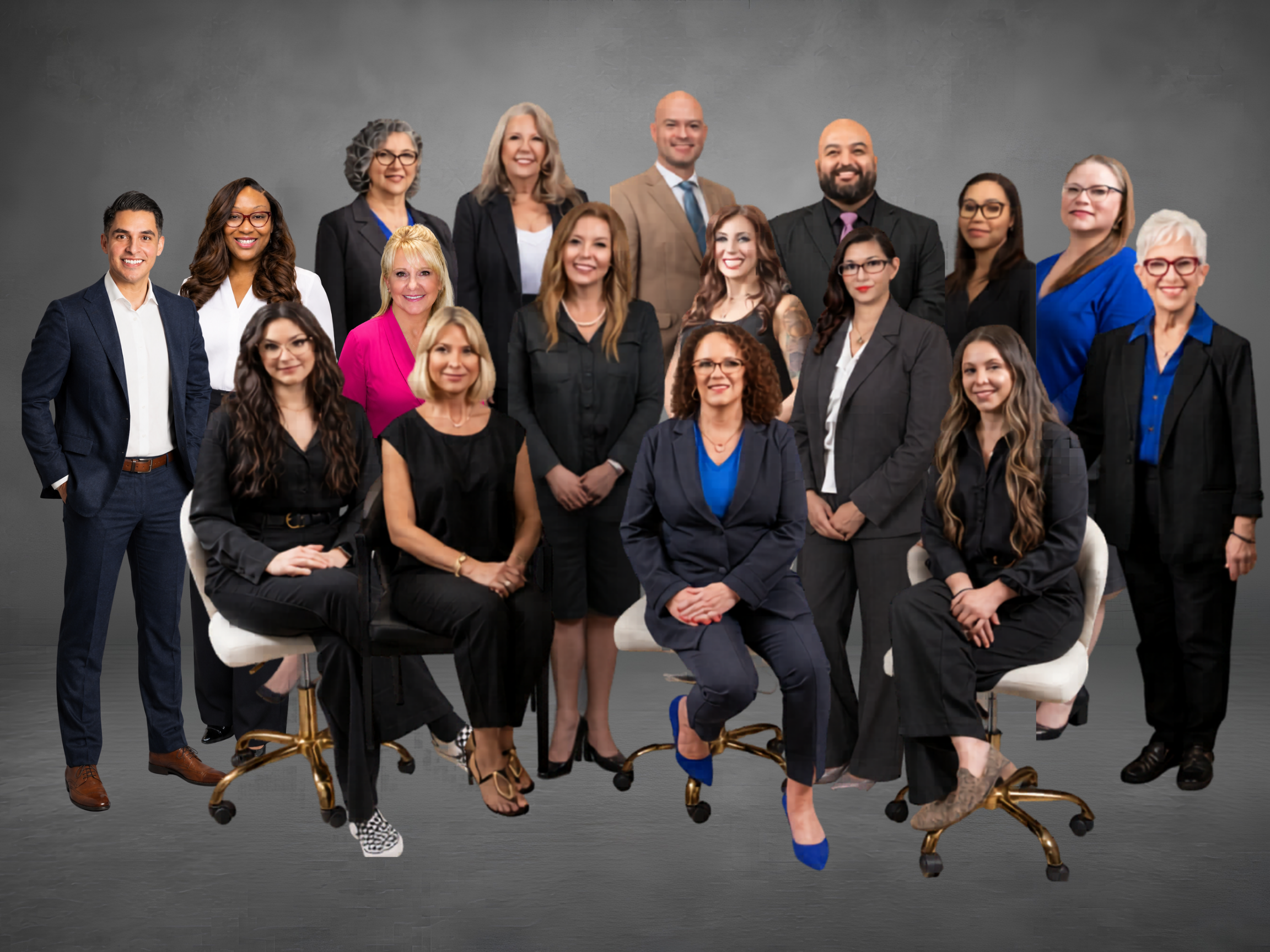
People You Can Talk To About Important Decisions
Estate planning can involve personal decisions about family, finances, healthcare, property, and the future. Our team focuses on clear communication, practical guidance, and helping you understand the choices in front of you.
De Ford Law Firm has served individuals and families since 2012 with a focus on clarity, structure, and steady legal guidance.
Meet the De Ford TeamWhat Clients Say About Working With De Ford
Independent feedback can give you another perspective on what it is like to work with our team.
“Extremely helpful and knowledgeable for family and estate planning.”
Starting Your Estate Plan Doesn’t Have to Be Complicated
You do not need to arrive knowing which documents you need. A useful starting point is understanding your life, responsibilities, concerns, and goals.
Tell Us About Your Situation
Start with your family, property, responsibilities, concerns, and goals.
Identify What Needs Protection
Determine which people, assets, decisions, and future circumstances need to be addressed.
Understand Your Options
Learn which planning tools may fit those needs and how the pieces relate.
Put Your Plan in Place
Complete the appropriate planning and understand what you have created.
Texas Estate Planning Questions
Do I need an estate plan if I’m not wealthy?
Estate planning can matter even if you do not consider yourself wealthy. A plan can address property, decision-making, healthcare, minor children, and other responsibilities that may matter to your family. The appropriate planning depends on your circumstances and goals.
Do I need a will or a trust in Texas?
Wills and trusts can address different planning goals. The right approach depends on your property, family structure, goals, and how you want certain assets to be managed or transferred.
What happens if I die without a will in Texas?
When someone dies without a valid will, Texas law generally determines who inherits property that passes through the estate. How that applies depends on the person’s family relationships, property, ownership structure, and other circumstances.
Who makes decisions if I become unable to make them myself?
Advance planning can allow you to identify trusted people for certain financial, legal, and healthcare decisions. Different documents may apply to different types of authority, which is why those decisions should be coordinated as part of the larger plan.
Can estate planning help my family avoid probate?
Some planning strategies may affect whether particular assets pass through probate, but an estate plan does not automatically eliminate probate in every situation. Ownership, beneficiary designations, trusts, property type, and other factors can affect how assets transfer.
What should parents with minor children consider?
Parents may need to think about who should care for their children, how property should be managed for them, who should handle financial responsibilities, and how beneficiary designations and other planning documents work together.
How often should I review my estate plan?
An estate plan is worth reviewing when important parts of your life change. Marriage, divorce, children, major financial changes, business changes, relocation, or changes involving the people named in your documents can all make a review useful.
What if I own a business?
Business ownership can create additional planning questions involving ownership, control, continuity, succession, and coordination with your personal estate plan. Business succession planning can address those issues as part of the larger picture.
Should I review my estate plan after marriage or divorce?
A major change in family structure is a good reason to review an existing estate plan. Documents, beneficiary choices, decision-makers, ownership arrangements, and other parts of the plan may no longer reflect your current circumstances or wishes.
Put the Decisions in Your Hands
You do not have to predict every change your family, finances, or business may face. A thoughtful estate plan can help you put important decisions in place now and provide clearer instructions for the people you trust later.