

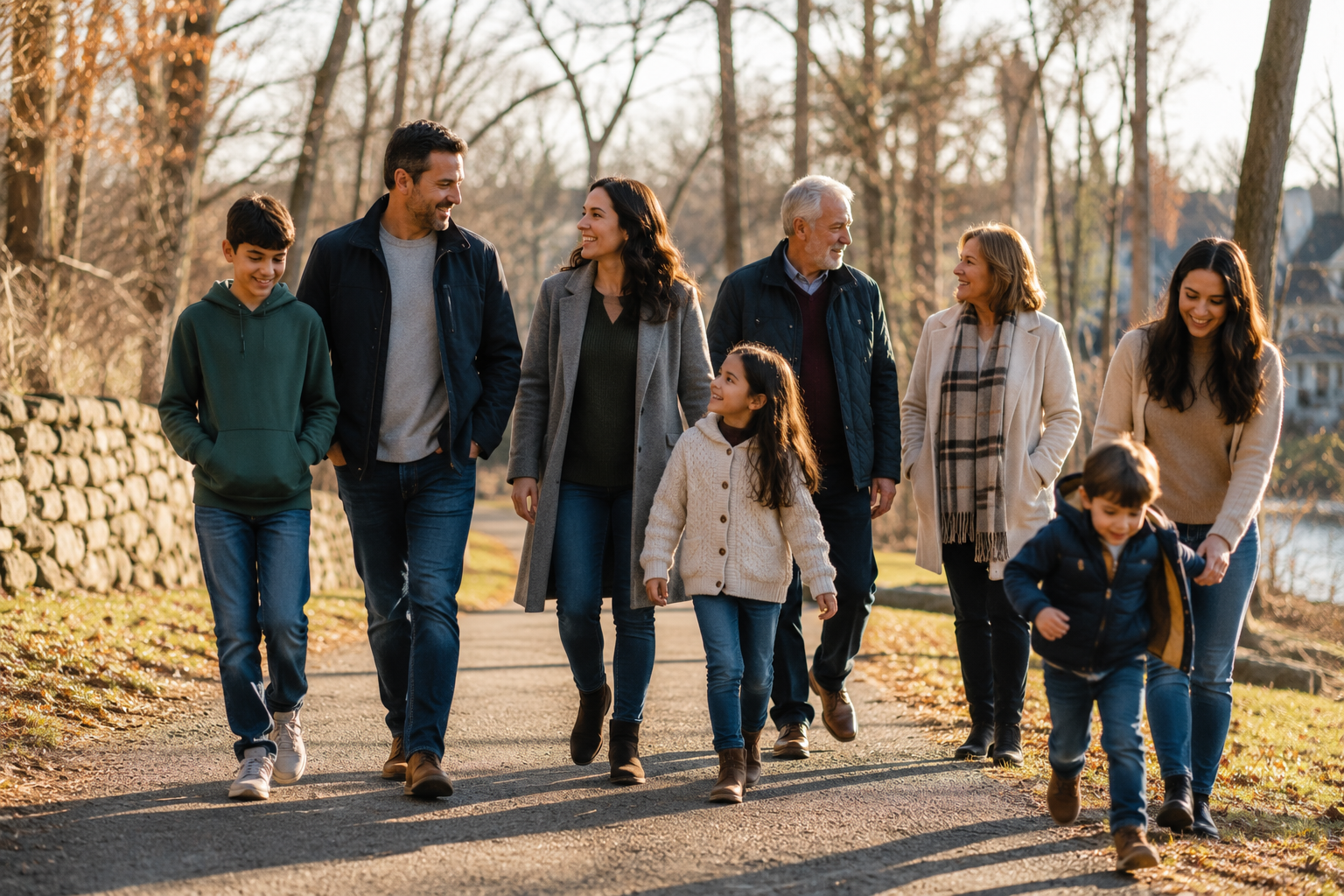
New Year, New Trust: How to Prevent Inheritance Disputes Between Stepchildren Before They Begin
The beginning of a new year often inspires us to think about what matters most.
We set goals. We make plans. We focus on creating a better future for ourselves and our families.
For blended families, those conversations sometimes include harder questions: Will everyone I love be protected? Will my spouse be financially secure? Will my children receive what I intended for them?
Good intentions alone do not always create good outcomes. Without clear planning, the people you care about most may be left trying to interpret your wishes during one of the most emotional periods of their lives.
Quick Answer: How Do You Prevent Inheritance Disputes Between Stepchildren?
The most effective way to prevent inheritance disputes between stepchildren is through clear estate planning that uses trusts, specific beneficiary designations, written instructions, and regular updates after major life changes.
For blended families, estate planning is about more than deciding who receives what.
It is about creating a structure that protects a surviving spouse, honors your wishes, and provides clarity for biological children and stepchildren alike.
The less room there is for interpretation, the less opportunity there is for conflict.
The Biggest Fear Blended Families Have About Inheritance
Many blended families carry the same quiet concern: Will everyone I love feel protected when I am gone?
Some parents worry about unintentionally disinheriting children from a previous relationship. Others worry about leaving a surviving spouse without enough financial security.
Some fear that being too specific about inheritance decisions will hurt feelings or create tension while they are still alive.
Unfortunately, inheritance planning rarely works well when it depends on assumptions.
One of the most common concerns in blended family estate planning involves balancing the needs of a surviving spouse with the long-term interests of children.
What We See Most Often in Blended Family Estate Planning
One conversation we have with blended families again and again sounds something like this:
“My spouse knows what I want.”
And often, that is true.
The issue is not whether a spouse understands your wishes. The issue is whether everyone else understands them too.
When plans rely on verbal conversations or assumptions, family members are often left interpreting what they believe you intended.
The problem is not greed. The problem is uncertainty.
One of the most valuable things a well-designed estate plan does is remove guesswork.

Why Good Families Still End Up in Inheritance Disputes
Most families do not expect to end up in an inheritance dispute.
Many families who experience conflict after a loved one’s death would describe themselves as close. That is what makes these situations so painful.
Inheritance disputes are rarely about money alone.
More often, they are about belonging, recognition, promises, and family identity.
A biological child may worry that they have been forgotten. A stepchild may worry that they were never fully accepted. A surviving spouse may feel caught in the middle.
Without clear instructions, even small misunderstandings can grow into larger conflicts.

Why Wills Alone Often Fall Short for Blended Families
Many people assume that having a will means everything is handled.
For blended families, that assumption can create a false sense of security.
A will is an important estate planning tool, but it has limitations. A will generally takes effect after death and must go through probate.
One common example involves a parent who leaves everything to a surviving spouse with the expectation that remaining assets will later pass to children from a prior relationship.
That may seem straightforward. But a will alone often cannot guarantee that outcome.

Will vs. Trust for Blended Families
For many blended families, a trust can create additional control, privacy, and clarity.
| Will | Trust |
|---|---|
| Takes effect after death | Can provide control during life and after death |
| Generally goes through probate | Often avoids probate |
| Limited control over future distributions | Greater control over timing and conditions |
| More vulnerable to interpretation | Creates clearer instructions |
| Public probate process | Greater privacy |
For many blended families, that additional control creates something everyone wants: peace of mind.

How Clear Planning Reduces Future Conflict
Blended family estate planning works best when it removes as much uncertainty as possible.
That may include using trusts, updating beneficiary designations, naming the right fiduciaries, and leaving clear written instructions about sentimental property.
It may also mean reviewing the plan after major life changes, including remarriage, divorce, the birth of a child, death of a loved one, or major financial changes.
The goal is not simply transferring assets.
The goal is protecting relationships, honoring your wishes, and giving your loved ones less to argue about during a painful time.

Frequently Asked Questions
How do you prevent inheritance disputes between stepchildren?
Clear estate planning is the best prevention. Trusts, written instructions, beneficiary updates, and regular reviews help reduce uncertainty and limit room for conflict.
Why do blended families need estate planning?
Blended families often need to balance the needs of a current spouse, biological children, stepchildren, and prior obligations. Clear planning helps prevent misunderstandings.
Is a will enough for a blended family?
Sometimes, but often not. A trust may provide more control, privacy, and clarity, especially when assets need to support a surviving spouse and later pass to children.
Can stepchildren inherit without being named?
Inheritance rights depend on the legal relationship and estate plan. Stepchildren should generally be named clearly if you intend for them to receive assets.
How often should blended families update their estate plan?
Review the plan after major life changes and periodically to make sure it still reflects your wishes, relationships, and financial situation.
Create More Certainty for the People You Love
A new year is a meaningful time to create more clarity for your family.
For blended families, estate planning is not only about property. It is about protecting your spouse, honoring your children, reducing uncertainty, and helping preserve relationships after you are gone.
Good intentions matter, but clear planning is what helps ensure those intentions are followed.
If you want to prevent inheritance disputes between stepchildren before they begin, thoughtful estate planning can give your loved ones the structure, certainty, and peace of mind they deserve.
Need Help With Blended Family Estate Planning?
De Ford Law Firm can help you create a clear estate plan that protects your spouse, your children, and your long-term wishes.
Schedule a Consultation