
TEXAS PROBATE & HEIRSHIP
Affidavit of Heirship in Texas
When someone dies without a will, families often need a way to clarify who owns inherited property.
An Affidavit of Heirship may help in the right situation, especially with real property, but using it incorrectly can create title problems, future sale delays, or disputes. DeFord Law Firm helps Texas families evaluate whether heirship paperwork, probate, or another legal path is the safest option.
Property title concerns
Probate alternatives

What Is an Affidavit of Heirship?
An Affidavit of Heirship is a sworn document used to identify the heirs of someone who died without a will. In Texas, it is commonly used to help establish ownership history for real property when no formal probate administration has been opened.
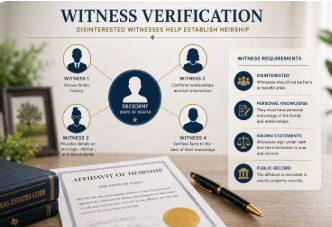
The affidavit typically includes family history, marital history, names of heirs, property information, and sworn statements from people who are familiar with the family but do not benefit from the estate.
It can be useful, but it is not the same thing as a probate court order. For a broader view of probate, read DeFord Law Firm’s article: Understanding the Texas Probate Process: What Families Need to Know.
- Identifies heirs after death
- Often used when there is no will
- Commonly connected to real property title
- Usually filed in county property records

When Can an Affidavit of Heirship Be Used in Texas?
An Affidavit of Heirship may be considered when the person died without a will, no probate has been opened, the heirs are known, and there is no dispute about who should inherit.
Families often look for this option because they want a faster or less formal path. The concern is that a shortcut only works when the facts support it. If the wrong tool is used, the property title may remain unclear.
- The deceased person died without a will
- The heirs can be clearly identified
- No one is contesting heirship
- The main issue involves real property title
- A title company, lender, or buyer may accept the affidavit
If the estate involves creditor concerns, administration questions, or disputed heirs, another probate route may be safer.
What Property Can an Affidavit of Heirship Help Address?
In Texas, Affidavits of Heirship are most commonly used in connection with real property. The affidavit helps create a public record of who the heirs are and how title may have passed after death.
That does not mean it works for every asset. Banks, financial institutions, buyers, title companies, and other third parties may have their own requirements. Some estates require court authority before assets can be collected, sold, or distributed.
- May help clarify inherited real property ownership
- May support a future sale, refinance, or title review
- May not work for bank accounts or complex financial assets
- Does not give the same authority as a court-appointed executor or administrator
If the estate has multiple assets, unpaid debts, or family disagreement, probate may still be needed.


Risks and Limitations of an Affidavit of Heirship
An Affidavit of Heirship can be helpful, but it is not always accepted and does not resolve every legal issue. Title companies may require more information. Buyers may hesitate. Future disputes may arise if an heir was omitted or family history was incomplete.
What seems simple now can become a title problem years later. That is why accuracy, witness selection, and legal review matter.
- Title companies may reject or question it
- Missing heirs can create future disputes
- It may not satisfy banks or financial institutions
- It does not appoint an executor or administrator
- It may not resolve creditor or debt issues
For more on probate roles and estate responsibilities, see: Executors, Administrators, and Creditors: A Guide to Texas Probate Roles and Responsibilities.
How an Affidavit of Heirship Is Created
The process depends on accurate family history and careful documentation. Errors can affect property title long after the affidavit is signed.
1. Gather family history
Identify spouses, children, descendants, prior marriages, deaths, and other heirship facts.
2. Prepare witness statements
Disinterested witnesses usually provide sworn information about the family and heirs.
3. File with county records
The affidavit is typically recorded in the county property records where the real estate is located.
Helpful Probate and Heirship Resources
These DeFord Law Firm resources provide additional context for families navigating probate, heirship questions, and next steps after loss.
Understanding the Texas Probate Process
Learn how Texas probate works and when court involvement may be needed.
Executors, Administrators, and Creditors
Understand who has authority to act and how estate debts may be handled.
What to Do After a Spouse Dies
A practical guide for families facing sudden loss and legal next steps.
View all resources here: DeFord Law Firm Articles
Affidavit of Heirship FAQs
Does an Affidavit of Heirship avoid probate?
Sometimes, but not always. It may help with real property title in the right circumstances, but it does not replace probate in every estate.
Is an Affidavit of Heirship the same as a court order?
No. It is a sworn recorded document that may serve as evidence of heirship, but it does not provide the same authority as a probate court order.
Can an Affidavit of Heirship transfer a house in Texas?
It may help establish title history for real property, but acceptance depends on the facts, title company requirements, and whether any probate issues remain unresolved.
Who signs an Affidavit of Heirship?
Affidavits of Heirship typically rely on sworn statements from disinterested witnesses who know the family history and do not benefit from the estate.
Helpful Texas Heirship Resources
Make the Right Decision Before You File
An Affidavit of Heirship can be useful in the right situation, but the wrong approach can create long-term title and probate problems.